The Ultimate Guide to Yellowtail Snapper Fishing

Introduction to Yellowtail Snapper
Yellowtail Snapper are among the most popular game fish in tropical and subtropical waters due to their vibrant appearance, mild flavor, and spirited fight. Found in the Atlantic Ocean, particularly around Florida, the Caribbean, and the Gulf of Mexico, these fish are a prized catch for recreational and commercial fishermen alike.

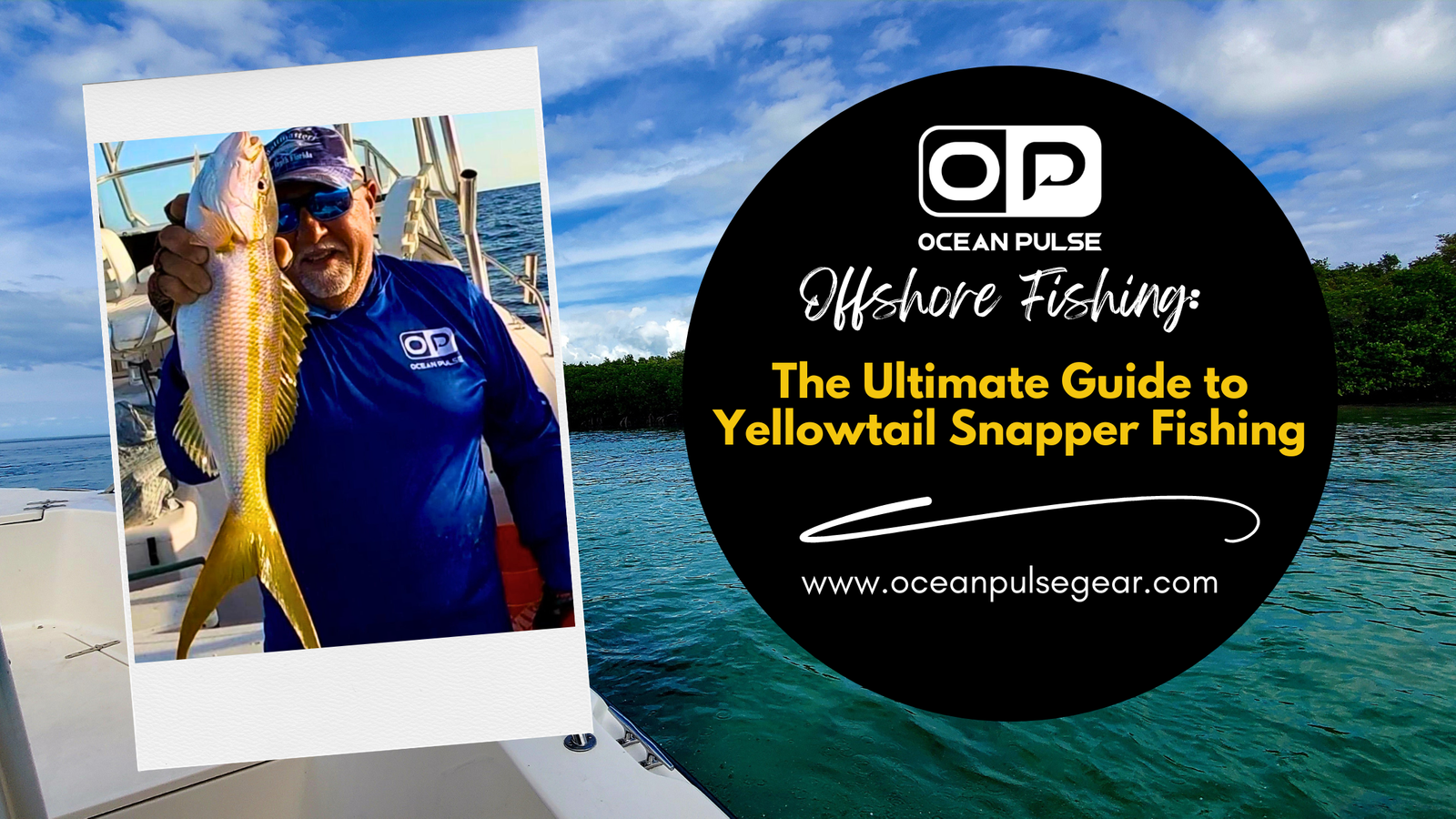
@Serucho_Sportfishing with a Flag Yellowtail Snapper. This one measured 21 Inches.
- Species: Ocyurus chrysurus
- Description: Yellowtail Snapper have a slender, elongated body with a distinctive yellow stripe running from the snout to the tail. Their body color ranges from light blue to olive, with yellowish spots. The tail is deeply forked and bright yellow, giving the fish its name.
- Size Range: 1-2 feet (average), up to 3 feet (maximum)
- Weight Range: 1-3 pounds (average), up to 11 pounds (maximum)
- Life Span: Up to 14 years
Habitat and Behavior
Yellowtail Snapper are typically found in warm coastal waters, often around structures that provide cover and abundant food sources.
- Typical Habitat: Coastal reefs, rocky bottoms, and wrecks.
- Depth Range: Surface to 120 feet, typically 30-100 feet.
- Feeding Style: Carnivorous, feeding on small fish, shrimp, and plankton.
- Seasonal Patterns: Active year-round, with increased activity during the warmer months from late spring to early fall.
Gear and Tackle Recommendations
Choosing the right gear is crucial for a successful Yellowtail Snapper fishing trip.
- Recommended Tackle: Light to medium spinning setups. We prefer a 5000-6000k spinning reel with a medium-heavy 7' rod.
- Line Type and Strength: 10-20 lb monofilament or braided line for its strength and sensitivity.
- Leader Recommendations: 15-20 lb fluorocarbon leader to reduce visibility and withstand abrasion.
- Hook Size: Yellowtail Snapper specific jig heads in 1/16 or 1/8 ounce sizes, or 1/0 to 2/0 circle hooks.
- Weights: Small split shot or egg sinkers to keep the bait at the desired depth.
Bait Selection
Selecting the right bait can significantly increase your chances of success.
- Preferred Baits: Live baits such as shrimp, pilchards, and small fish; cut baits like squid and sardines and shrimp.
- Artificial Lures: Small jigs, soft plastics, and feather rigs.
- Presentation Tips: Ensure bait is presented naturally, keeping it fresh and lively to attract more strikes.
- Importance of Bait Freshness: Fresh bait increases attractiveness to fish, making it more likely to elicit a strike.
Fishing Rigs
The right rig setup can make a significant difference in your fishing success.
- Types of Rigs: Free-line rig, knocker rig, sliding sinker rig, Yellowtail Snapper jigs with cut bait.
-
Setup Details:
- Free-Line Rig: Hook tied directly to the mainline, allowing the bait to swim freely.
- Knocker Rig: Egg sinker slides directly above the hook, ideal for fishing close to the bottom without a long leader.
- Sliding Sinker Rig: Sinker slides on the mainline with a short mono leader attached to a swivel, then 2-3 feet of 15 lb fluorocarbon leader with a circle hook.
- Yellowtail Snapper Jig: Use a 1/8 ounce or 1/16 ounce jig head with cut bait. Adjust the weight based on the current to keep the bait in the strike zone.
Fishing with Yellowtail Snapper Jigs Step-by-Step Instructions:
This is the most common method of fishing for Yellowtail Snapper, and the method we use, and as you can see, we do pretty good when we target them.
- Use Fluorocarbon Leader: Attach a 5-10 foot piece of 12-20 lb Fluorocarbon leader to your main line of Mono-filament 15 lb test.
- Select a Jig: Use a 1/8 ounce or 1/16 ounce Yellowtail jig.
- Adjust for Current: Use more or less weight depending on the current to keep the bait in the strike zone.
- Rig the Bait: Attach a small piece of cut bait to the jig head.
- Cast and Drift: Cast your line and free spool the line so the jig drifts naturally in the current.
- Chum and Disguise: Throw a handful of oats as you cast to disguise your bait.
- Monitor the Line: Let out line until you find the strike zone, making a visual reference on your reel to remember the distance.
- Detect the Bite: Yellowtail bites are distinctive; they will take your jig and dash away, peeling line from your hand.
- Set the Hook: Close the bail and start to reel in, keeping constant pressure to avoid pulling the jig out of the fish’s mouth.
Effective Fishing Techniques
Chumming for Yellow Snapper
Chumming is a highly effective method to attract and keep Yellowtail Snapper near your boat.
Step-by-Step Instructions:
- Prepare Chum: Bring at least 50 lbs of ground sardine chum (2 x 25 lb blocks) and a separate 5-gallon bucket of steam-rolled oats.
- Deploy Chum: Place a 25 lb block of chum in a large-holed chum net (at least 1-inch holes) at your fishing spot.
- Cast Your Line: When ready, cast your line with a Yellowtail Snapper jig and some cut bait.
- Disguise Your Bait: Throw a handful of oats as you cast to make your bait blend in with the chum.
- Free Spool: Let the line free spool, allowing the jig to drift naturally with the current. It is important to note, DO NOT hold the line. The trick is to constantly let line out until you get a bite.
- Detect Bites: When you feel a bite (Yellowtails will rapidly peel line from your hand as you feed line out), close the bail, and reel in with constant pressure to secure the fish and beat sharks or barracudas to your boat.
Bottom Fishing
Bottom fishing can also be effective for targeting Yellowtail Snapper, especially around deep structures.
Step-by-Step Instructions:
- Locate Fishing Grounds: Use a fishfinder to identify reefs, wrecks, and rocky structures.
- Rig Setup: Use a light to medium rod and reel setup with 10-20 lb test line.
- Weights: Use a sinker heavy enough to keep the bait on the bottom (small split shot or egg sinkers).
- Bait: Use live baits such as shrimp or small fish, or cut bait.
- Drop the Line: Drop your baited rig to the bottom and maintain contact with the seafloor.
- Monitor the Line: Keep an eye on the line for any signs of a bite.
- Set the Hook: Once a bite is detected, reel in steadily and apply moderate pressure to secure the fish.
Drifting
Drifting allows you to cover more ground and is effective when fish are spread out.
Step-by-Step Instructions:
- Select Fishing Area: Focus on areas with structure and known Yellowtail Snapper activity.
- Rig Setup: Use a light to medium spinning setup with 10-20 lb test line.
- Bait: Use live or cut baits such as shrimp or sardines.
- Drift the Bait: Allow your bait to drift naturally with the current, adjusting the depth as needed.
- Monitor the Line: Pay close attention to the line for any signs of a bite.
- Set the Hook: Once a bite is detected, set the hook gently and reel steadily to bring the fish in.
Tips for Consistent Success
Consistency in fishing comes from mastering a few key techniques and being adaptable to changing conditions.
- Positioning and Anchoring Advice: Drift or anchor near structures where Yellowtail Snapper are likely to be found.
- Hook Setting Techniques: Be patient and allow the fish to take the bait fully before setting the hook.
- Adaptability: Be prepared to change baits, rigs, and techniques based on fish activity and environmental conditions.
Best Time of Year to Catch
Timing your fishing trips can greatly enhance your success rates.
- Peak Seasons: Late spring to early fall.
- Seasonal Behavior Patterns: Yellowtail Snapper are more active during these times, often found nearshore chasing baitfish schools.
Conservation and Regulations
Adhering to conservation guidelines ensures the sustainability of fish populations.
-
- Best Practices for Sustainable Fishing: Practice catch and release for undersized fish and those caught over the limit, and use circle hooks to reduce injury.
Local Knowledge and Expert Advice
Insights from experienced anglers and local captains can provide invaluable tips and tricks.
- Insights: Local captains can offer advice on the best fishing spots, tackle setups, and times of day for optimal fishing.
- Common Challenges: Avoiding sharks and barracudas on the reef while yellowtailing is a competitive sport. If you're not quick enough you may pull up half a fish or no fish at all.

- Overcoming strong currents and avoiding line breaks from rocky structures are key challenges when fishing for Yellowtail Snapper.
Conclusion
With the right techniques, gear, and knowledge, fishing for Yellowtail Snapper can be a highly rewarding experience. Remember to fish responsibly and enjoy the thrill of catching these vibrant and delicious fish.
📍 Bonus: Try This Key Largo Yellowtail Snapper Spot! Here are the GPS coordinates to an actual Yellowtail Snapper Spot in Key Largo where you can put these techniques to the test: 25.16.887'N, -80.10.218'W
Leave a comment
Comments will be approved before showing up.